 Payment
 Sezzle Financing
 Warranty
 Shipping Policy
 Track Your Order
 Return & Refund
 User Manual
 Contact Us
 FAQs
FAQs
Dirt biking has long been one of the most exciting ways to experience the outdoors. Whether you are riding through forest trails, exploring backcountry terrain, or practicing off-road skills, a dirt bike offers a unique combination of freedom, adventure, and performance.
For decades, gas-powered dirt bikes dominated the off-road world. Their powerful engines, long riding range, and proven durability made them the standard choice for recreational riders and professional racers alike.
However, electric dirt bikes have rapidly evolved. With advancements in battery technology, motor performance, and charging capabilities, electric models now offer impressive power, quieter operation, and lower maintenance requirements.
So, when choosing between an electric dirt bike vs. a gas dirt bike, which one is the better option?
The answer depends on your riding style, experience level, budget, and where you plan to ride. This guide compares electric and gas dirt bikes across key factors, including performance, maintenance, cost, range, environmental impact, and overall riding experience.
Electric Dirt Bike vs. Gas Dirt Bike: Quick Comparison
Before diving into the details, here is a quick overview of how electric and gas dirt bikes compare.
| Category | Electric Dirt Bike | Gas Dirt Bike |
| Power source | Rechargeable battery | Gasoline engine |
| Noise level | Very quiet | Loud engine sound |
| Maintenance | Lower maintenance needs | More frequent maintenance |
| Acceleration | Instant torque delivery | Power builds through RPM |
| Riding range | Limited by battery capacity | Extended with fuel refills |
| Refueling | Requires charging | Quick gas refill |
| Operating cost | Lower | Higher |
| Beginner-friendly | Generally easier | Requires more skill |
| Environmental impact | Lower emissions | Produces exhaust emissions |
| Long-distance riding | Requires planning | More convenient |
Both types have advantages, and the right choice depends on your priorities.

What Is an Electric Dirt Bike?
An electric dirt bike uses a rechargeable battery pack and an electric motor instead of a traditional combustion engine.
Unlike gas engines that generate power through fuel combustion, electric motors deliver energy directly from the battery to the drivetrain. This design creates instant torque, smooth acceleration, and fewer mechanical components.
Modern electric dirt bikes are designed for a variety of riders, including:
- Beginners learning off-road riding
- Experienced riders looking for quieter trail exploration
- Adventure riders who want lower maintenance
- Campers and outdoor enthusiasts
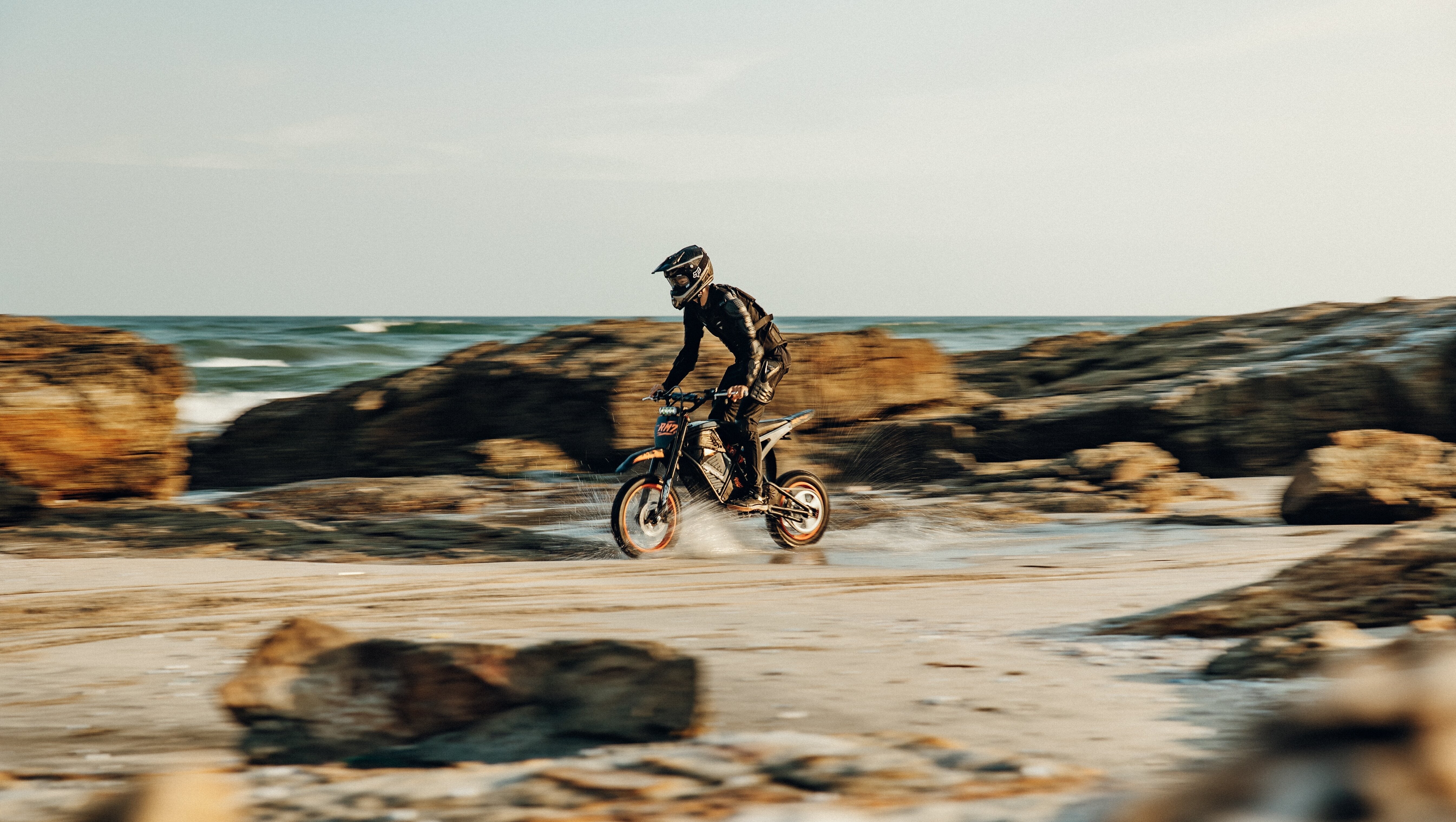
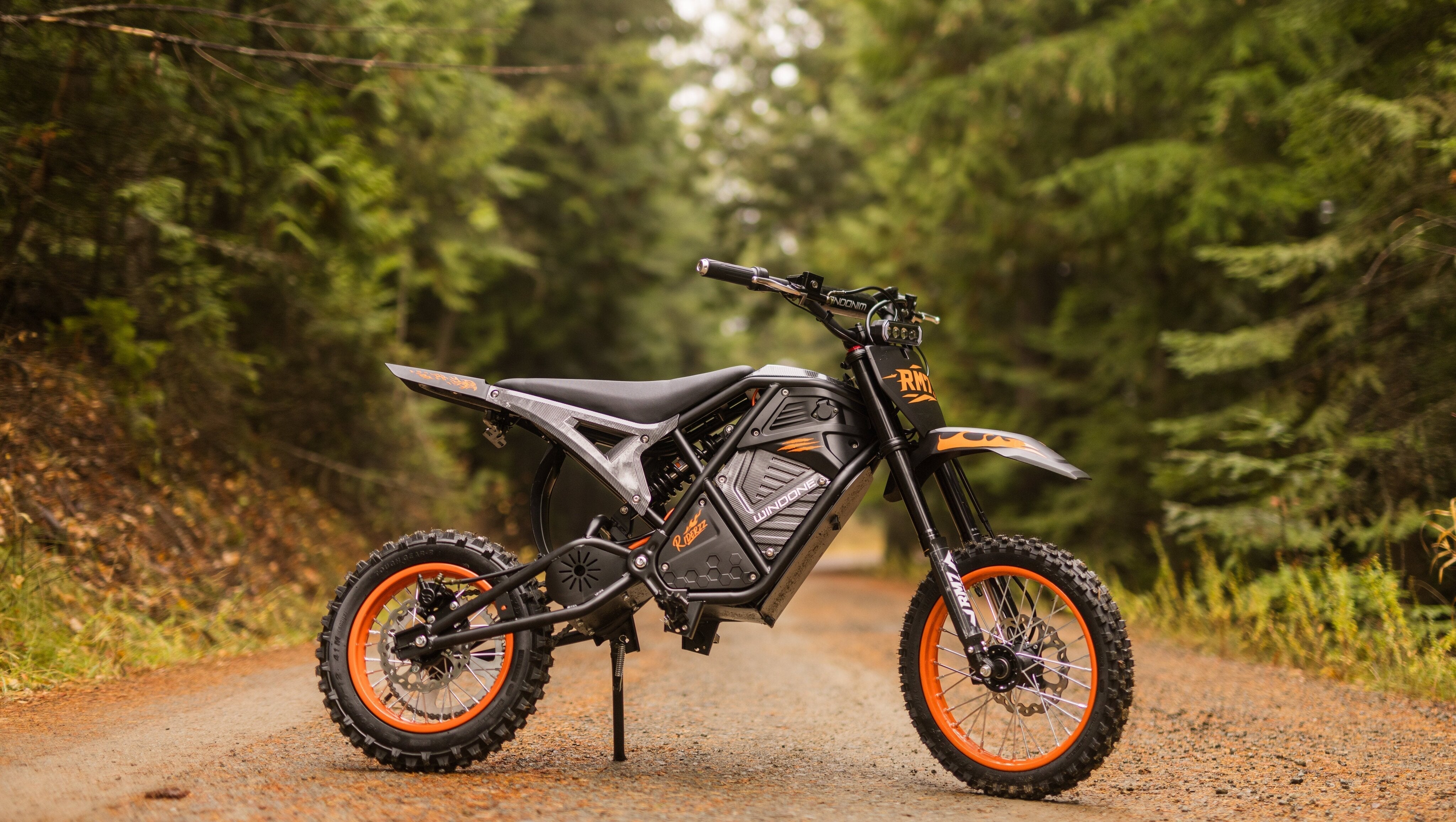
Models such as the Windone RM7 Electric Dirt Bike demonstrate how electric technology has progressed, offering strong performance for off-road environments.
What Is a Gas Dirt Bike?
A gas dirt bike is powered by an internal combustion engine that uses gasoline to generate power.
Gas-powered dirt bikes have been the traditional choice for decades because of their:
- High-performance capability
- Long riding range
- Fast refueling
- Established aftermarket support
They remain popular among motocross racers, professional riders, and enthusiasts who need maximum range and proven engine performance.
Performance Comparison: Electric vs. Gas Dirt Bike
Performance is often the first factor riders consider. While gas dirt bikes have a long history of racing success, electric models have developed impressive capabilities.

1. Power and Acceleration
Electric motors produce maximum torque immediately when the throttle is engaged.
This means electric dirt bikes can provide:
- Quick acceleration from a stop
- Smooth power delivery
- Strong climbing ability
- Better low-speed control
Gas dirt bikes typically deliver power through increasing engine RPM. Experienced riders often appreciate this because it allows more control over power output through gear selection and throttle management.
Power Delivery Comparison
| Feature | Electric Dirt Bike | Gas Dirt Bike |
| Initial acceleration | Instant torque | Builds with RPM |
| Low-speed control | Excellent | Requires clutch and throttle skills |
| Gear shifting | Usually automatic | Manual transmission |
| Riding learning curve | Easier | More technical |
For beginners and trail riders, electric power delivery can feel more intuitive. For experienced racers, the mechanical engagement of a gas engine may remain appealing.
Speed and Range: Which Goes Further?
Range is one area where gas dirt bikes still have an advantage.

A gas dirt bike can typically be refueled within minutes, making it convenient for:
- Long trail rides
- Remote areas
- Multi-hour adventures
Electric dirt bikes rely on battery capacity. Riding range depends on:
- Battery size
- Rider weight
- Terrain
- Speed
- Riding style
- Weather conditions
For example, aggressive riding on steep trails consumes more battery power than casual riding on flat terrain.
Range Comparison
| Factor | Electric Dirt Bike | Gas Dirt Bike |
| Typical riding duration | Depends on battery capacity | Several hours with fuel |
| Refueling time | Charging required | Minutes |
| Range extension | Extra battery or charging | Carry additional fuel |
| Best use case | Local trails and planned rides | Long-distance exploration |
For riders who frequently travel deep into remote areas, gas may still be more practical. For planned trail rides and recreational use, electric range is often sufficient.
Noise Comparison: Why Quiet Riding Matters
One of the biggest differences between electric and gas dirt bikes is noise.

Gas engines create significant sound from combustion, exhaust systems, and mechanical components. While many riders enjoy the traditional engine sound, noise restrictions are becoming increasingly common in recreational riding areas.
Electric dirt bikes operate much more quietly.
Benefits of quieter riding include:
- Less disturbance to wildlife
- More enjoyable conversations with riding partners
- Better access to noise-sensitive areas
- A more immersive outdoor experience
For riders who enjoy exploring forests, camping areas, and nature trails, electric dirt bikes offer a more peaceful experience.
Maintenance: Electric Dirt Bikes Require Less Upkeep
Maintenance is another major difference between electric and gas models.
Gas engines contain many moving parts that require regular service, including:
- Oil changes
- Air filter cleaning
- Spark plug replacement
- Fuel system maintenance
- Engine tuning
Electric dirt bikes have fewer mechanical components.
Maintenance Comparison
| Maintenance Task | Electric Dirt Bike | Gas Dirt Bike |
| Oil changes | No | Required |
| Spark plug replacement | No | Required |
| Air filter maintenance | Minimal | Regular |
| Fuel system cleaning | No | Required |
| Motor maintenance | Low | Engine servicing required |
| Battery care | Required | Not applicable |
Lower maintenance means more time riding and less time working on your bike.

Cost Comparison: Which Is More Affordable?
The total cost of ownership includes more than the purchase price.
While some electric dirt bikes may have a higher upfront cost due to battery technology, they often save money over time through reduced operating expenses.
Initial Cost
Gas dirt bikes often have a wide range of prices because of their long-established manufacturing ecosystem.
Electric dirt bikes may cost more initially because batteries represent a significant portion of the overall cost.
Long-Term Ownership Costs
| Cost Factor | Electric Dirt Bike | Gas Dirt Bike |
| Fuel | Electricity cost is lower | Ongoing gasoline expense |
| Maintenance | Lower | Higher |
| Replacement parts | Fewer engine components | More engine-related parts |
| Service frequency | Less frequent | More frequent |
For riders who use their bike regularly, lower operating costs can make electric models more economical over time.
Environmental Impact: Electric vs. Gas Dirt Bikes
Outdoor enthusiasts often care deeply about protecting the environments they enjoy riding in.
Electric dirt bikes produce:
- No direct exhaust emissions
- Less noise pollution
- No fuel spills during riding
Gas dirt bikes produce emissions from fuel combustion and require gasoline transportation and storage.

Environmental Comparison
| Factor | Electric Dirt Bike | Gas Dirt Bike |
| Tailpipe emissions | None | Yes |
| Noise pollution | Low | Higher |
| Fuel consumption | Electricity | Gasoline |
| Trail impact | Lower noise footprint | Greater disturbance |
Responsible riding practices remain important regardless of bike type. Riders should always stay on designated trails and respect local regulations.
Beginner Experience: Which Dirt Bike Is Easier to Learn?
For new riders, electric dirt bikes often provide a smoother introduction to off-road riding.
Reasons include:
- No clutch control required
- No gear shifting
- Simple throttle operation
- Smooth acceleration
- Less engine vibration
Gas dirt bikes require riders to learn additional skills:
- Managing the clutch
- Shifting gears
- Controlling engine power
- Maintaining engine performance
This does not mean gas dirt bikes are unsuitable for beginners. Many riders learn successfully on gas models. However, electric bikes can reduce the initial learning curve.
Introducing the Windone RM7 Electric Dirt Bike
For riders looking for a powerful electric off-road experience, the Windone RM7 Electric Dirt Bike combines strong performance with modern electric technology.

Designed for adventure-focused riders, the Windone RM7 features:
| Motor | 2200W Peak Mid-Drive Motor |
| Battery | 48V 22.5Ah Battery |
| Maximum Range | Up to 45 miles |
| Riding Style | Off-road adventure |
| Suspension | Full suspension system |
The mid-drive motor design helps deliver strong torque for challenging terrain, while the large-capacity battery supports longer trail exploration.
For riders who want to experience:
- Mountain trails
- Forest paths
- Outdoor adventures
- Weekend exploration
the Windone RM7 provides a balance of power, range, and convenience.
Which One Should You Choose?
The best dirt bike depends on your riding goals.
Choose an Electric Dirt Bike If You:
- ✅ Prefer quiet trail riding
- ✅ Want lower maintenance
- ✅ Are a beginner or casual rider
- ✅ Ride near residential areas or noise-sensitive locations
- ✅ Want lower operating costs
- ✅ Prefer a cleaner outdoor experience

Choose a Gas Dirt Bike If You:
- ✅ Need maximum riding range
- ✅ Ride in remote locations for extended periods
- ✅ Prefer traditional engine performance
- ✅ Participate in motocross racing
- ✅ Enjoy mechanical involvement and customization
Final Verdict: Electric Dirt Bike or Gas Dirt Bike?
Both electric and gas dirt bikes offer exciting off-road experiences, but they are designed for different types of riders.
Gas dirt bikes remain a strong choice for riders who prioritize maximum range, racing performance, and traditional motorcycle characteristics.
Electric dirt bikes, however, have become a compelling alternative for modern riders who value quiet operation, easy maintenance, instant torque, and a more environmentally conscious way to explore the outdoors.
For many recreational riders, beginners, campers, and trail explorers, an electric dirt bike provides the perfect combination of performance and convenience.
As battery technology continues to improve, electric dirt bikes are becoming more capable every year, giving riders more ways to experience the freedom of off-road adventure.